

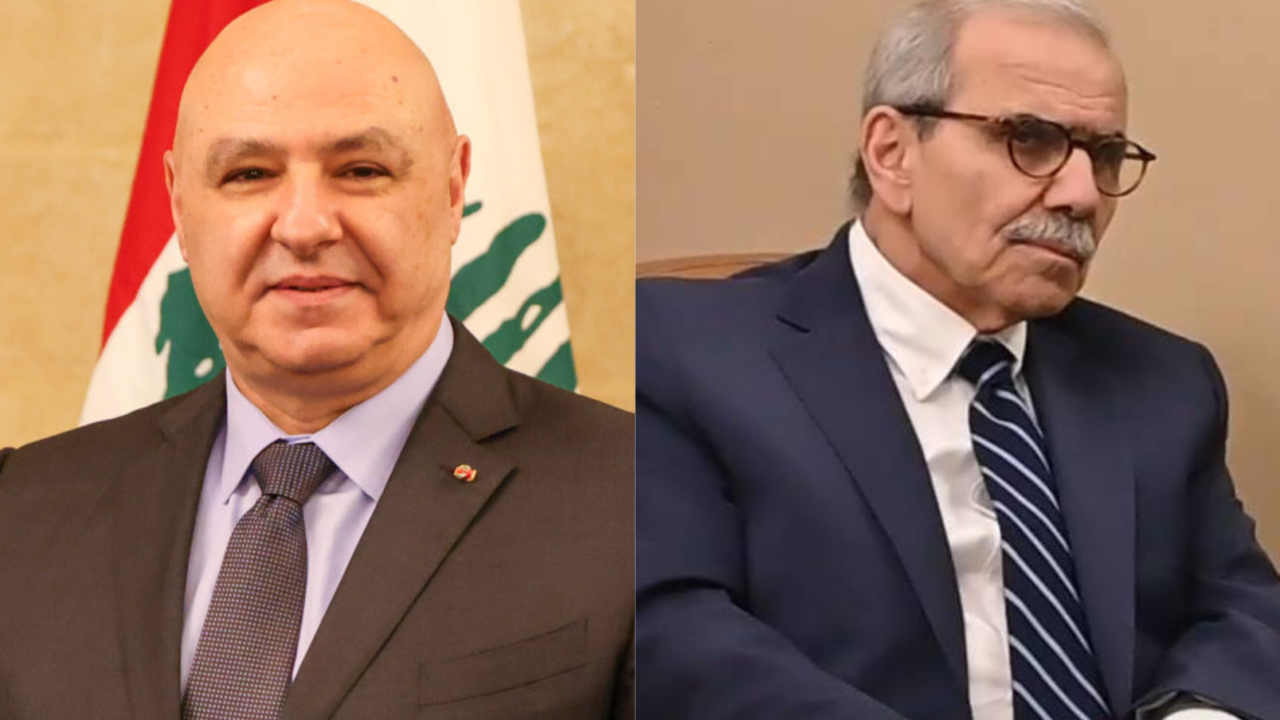
Two leaders are attempting what many thought impossible: wresting the country from the grip of Hezbollah and steering it toward peace
Lebanon has long defied easy categorisation. It is a country of extraordinary natural beauty and extraordinary dysfunction, of cosmopolitan sophistication and confessional paralysis. Once dubbed the
Switzerland of the Middle East, a comparison that now reads as cruel irony, it has spent decades as a battleground for the ambitions of others. Today, however, a new Lebanese government is attempting what many believed impossible, as Lebanon challenges Hezbollah while seeking to restore state authority and pursue a path toward peace.
The election of Joseph Aoun as president in early 2025 and the appointment of Nawaf Salam as prime minister marked a departure from Lebanon’s familiar political pattern of accommodation with Hezbollah. Backed by Washington and European capitals, the pair have moved with unusual speed and determination to reassert the authority of the state. Their efforts extend beyond economic reform to the more sensitive questions of arms, sovereignty and foreign policy.
The roots of Lebanon’s predicament stretch back decades. The arrival of PLO fighters in the early 1970s, and the tensions their growing presence fueled, became one of the factors that helped propel the country towards civil war. Out of the conflict emerged Hezbollah, founded in 1982 with Iranian backing and initially forged in resistance to Israel’s occupation of southern Lebanon. Over time it established itself as the dominant military and political force in much of the south, becoming what many Lebanese and foreign observers have described as a “state within a state”. Successive governments proved either unwilling or unable to challenge its position.
The latest confrontation between Hezbollah and Israel has altered the balance of power significantly. Israel’s campaign, which included the targeted killing of much of Hezbollah’s senior leadership and the covert operation widely known as Operation Grim Beeper, left the organisation severely weakened. Iran, its principal backer, also absorbed significant blows in a joint American-Israeli operation. As a result, Hezbollah enters 2026 diminished both militarily and politically, facing challenges to its authority that would have seemed improbable only a few years ago.
It is on the domestic front that the most consequential battle is now being fought. The Aoun–Salam government has taken a step that successive Lebanese administrations long avoided: declaring Hezbollah’s military and security activities illegal and demanding that the group surrender its weapons to the state. It is, above all, a statement of sovereignty: only the Lebanese state, the government insists, has the authority to decide matters of war and peace.
The most dramatic step came in April 2026, when Beirut agreed to enter direct peace negotiations with Israel, brushing aside Hezbollah’s objections and absorbing considerable pressure from Tehran. The message was unmistakable: Lebanon would determine its own future. Should a peace agreement be reached, the consequences could extend well beyond Lebanon’s borders. Saudi Arabia and other Arab states have long hinted that their own normalisation with Israel would become politically easier once Lebanon had taken such a step. The prospect of a broader regional realignment, once dismissed as fanciful, suddenly looks more plausible.
History, however, counsels caution. The last time Lebanon appeared to be moving decisively away from the so-called axis of resistance, the consequences were deadly. In 2005, Prime Minister Rafik Hariri was steering the country towards closer ties with the West and away from Syrian and Iranian influence. He was killed in a massive car bombing in central Beirut that also claimed the lives of 21 others. In 2020, the Special Tribunal for Lebanon convicted in absentia Salim Ayyash, commander of Hezbollah’s clandestine assassination Unit 121, for his role in the assassination. Whether Hezbollah retains either the capacity or the appetite for such actions today remains an open question. The organisation is weaker than it was, and under pressure on multiple fronts. Yet history suggests that political movements facing strategic setbacks do not always respond with restraint.
Mr Aoun and Mr Salam are attempting to steer a fragile state through a period of unusual uncertainty, confronting challenges that have defeated many of their predecessors. The obstacles are considerable: a collapsed economy, entrenched sectarian divisions and an armed movement with deep roots in Lebanese society and little inclination to surrender its weapons. Success is far from assured.
Yet the opportunity is genuine. For the first time in many years, Lebanon has a government that appears willing to translate its rhetoric into policy. Should it succeed, the consequences could extend well beyond Lebanon’s borders, reshaping assumptions about what is politically possible in both Lebanon and the wider Middle East.