
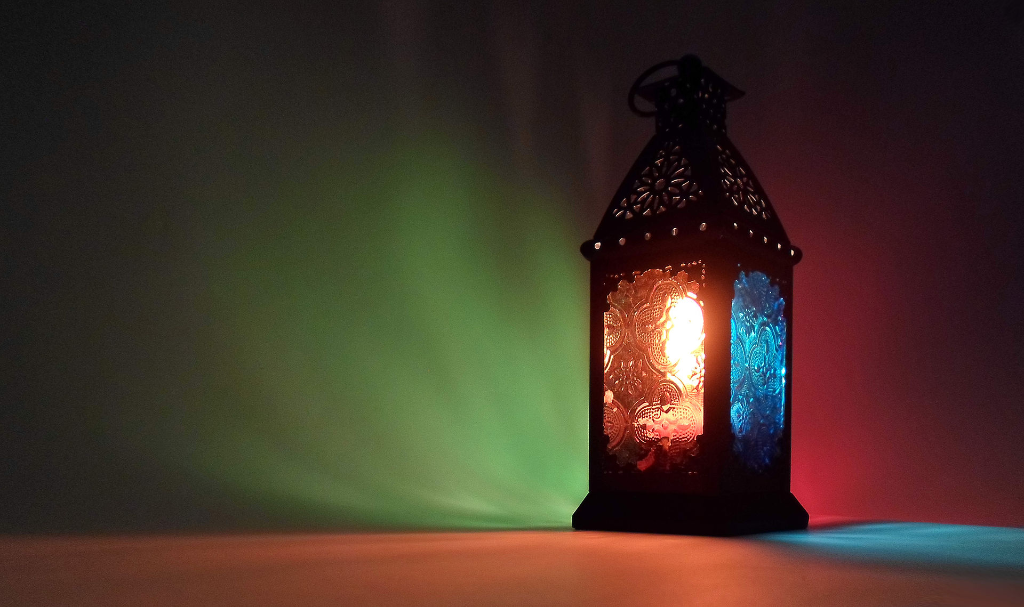
We live in an age that rarely pauses. Our mornings begin with the glow of a screen and end the same way. Notifications punctuate our thoughts. Meals are eaten while scrolling. Productivity has become a moral virtue, and busyness a badge of honor. In such a world, stillness feels uncomfortable, even suspicious.
Then Ramadan arrives.
For millions around the world, Ramadan is known as the month of fasting — abstaining from food and drink from dawn to sunset. But to reduce it to hunger is to miss its deeper invitation. Ramadan is not simply a fast from nourishment; it is a fast from excess. In an era defined by distraction and speed, it becomes something quietly radical: a month-long interruption.
At first glance, fasting appears purely physical. The body is denied what it routinely consumes. Yet hunger exposes habit. We begin to notice that we often eat not because we are hungry, but because food is available, because we are bored, because it is simply time. The same can be said of our phones. We do not always reach for them out of necessity, but out of reflex. We scroll to fill silence. We check notifications to avoid stillness.
Ramadan sharpens this awareness.
Just as the body craves food, the mind craves stimulation. The endless stream of updates, messages, and images feeds a different kind of appetite — one for novelty and validation. The modern individual is rarely alone with their thoughts. Ramadan gently asks: what happens if you don’t immediately fill that space?
When screens are put aside — even intentionally reduced — something shifts. The minutes before sunset become moments of reflection rather than distraction. Conversations at iftar deepen when they are not interrupted by a buzzing phone. Prayer feels more present when it is not competing with digital noise. The absence of constant stimulation does not create emptiness; it creates clarity.
In this sense, the hardest fast today may not be from food, but from the screen.
But digital overload is only part of the story. The other is our obsession with productivity. We are trained to measure our worth by output. “What did you accomplish today?” has become a defining question of modern life. Time is sliced into tasks, optimized and monetized. Rest is often justified only if it improves performance later.
Ramadan disrupts this logic.
Energy slows during the day. The rhythm of life shifts. Nights become alive with prayer; mornings begin before sunrise. The body no longer aligns neatly with the conventional pace of work and deadlines. In subtle ways, Ramadan loosens our attachment to the industrial clock. It reminds us that time is not only something to manage — it is something to experience.
In most of the year, time equals productivity. In Ramadan, time equals meaning.
Waiting for sunset teaches patience. The quiet of the pre-dawn meal carries a stillness that no efficiency metric can measure. The final nights of the month feel suspended, almost sacred, as if time itself has softened. The month often feels both long and fleeting — a reminder that not all value can be quantified.
Digital overload and hustle culture share a common effect: they fragment attention. They keep us reacting rather than reflecting. They make stillness feel like wasted time. Ramadan counters both by redefining what matters.
When we fast from food, we discover discipline. When we fast from noise, we discover presence. When we slow down, we rediscover perspective.
Ramadan does not remove us from the world. People continue to work, study, and fulfill responsibilities. What changes is the internal orientation. The day becomes structured around prayer rather than pressure. Charity increases not because it is productive, but because it is purposeful. Reflection is valued not for its efficiency, but for its depth.
In a culture that tells us to speed up, Ramadan whispers: slow down.
In a culture that tells us to consume, Ramadan teaches restraint.
In a culture that tells us to produce, Ramadan reminds us to be.
When the month ends, life resumes its familiar pace. Notifications return. Deadlines reclaim their urgency. Yet something lingers — a memory of stillness, a renewed sense of control over attention and time. Ramadan may last thirty days, but its lesson extends beyond them.
In the age of distraction, choosing to disconnect is powerful. Choosing to slow down is even more so.
And perhaps that is the deeper fast Ramadan invites us to undertake — not only abstaining from food, but reclaiming our focus, our time, and ultimately, ourselves.