
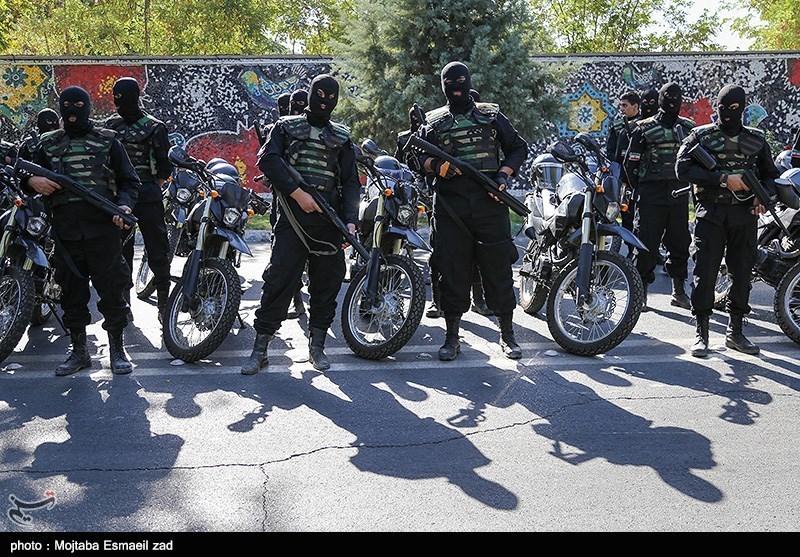
As the war between Iran, the United States and Israel continue, one of the most consequential and contested questions is whether Iran’s security system is beginning to fracture from within. Iranian official narratives and some intelligence assessments suggest resilience. Yet a growing body of reports, testimonies, and indicators points toward a different reality marked by defections, desertions, and internal distrust.
Some analysts argue that the Islamic Republic remains structurally intact, with the Basij and regular soldiers largely holding their positions. Reports from both frontline areas and major cities indicate that Basij units continue to carry out internal security duties, manning checkpoints, dispersing unrest and safeguarding key installations, while units of the regular army (Artesh) have, in most documented cases, maintained defensive deployments.
Despite sustained Israeli and American strikes targeting senior personnel and infrastructure, the Islamic Revolutionary Guard Corps (IRGC) has indeed demonstrated an ability to reconstitute command structures and continue its operations. Ongoing missile launches and retaliatory strikes suggest that command-and-control systems, though degraded, remain functional. The continued use of ballistic missiles and drones indicates that Iran retains the capacity to plan, authorise and execute complex operations across multiple arenas. Assessments from Western think-tanks continue to emphasise the cohesion of the IRGC, which remains the regime’s central pillar of power.
However, when an autocratic regime tightly controls communications, limiting information flows, silencing dissent, and amplifying its own narrative, it can easily project an image of unity and strength. The real question is whether this carefully curated image reflects reality, or simply the story the regime wants both the world and its own citizens to accept. Perhaps such assessments are simply outdated, because beneath the surface, an undercurrent of instability surfaces, marked by defections, desertions and internal unrest.
Fears of a military breakup in Iran grew during the June 2025 crisis, which was followed by an announcement of a formal defection platform by Reza Pahlavi, Iran’s exiled crown prince and opposition leader, offering military, security, and police personnel a secure channel to renounce allegiance to the regime. This platform carries a symbolic weight: it signals the very real possibility that the regime’s forces could fracture from within.
Looking back at the January protests in Iran, sparked by internal unrest and cries for regime change, exposed the fragility beneath the regime’s carefully managed image of control. On January 8, unprecedented crowds took to the streets in cities across the country, with some chanting ‘Long live the Shah!’ Images of the pre-1979 lion-and-sun flag circulated widely. In response, authorities imposed a near-total communications shutdown while also carrying out a violent crackdown on protesters, resulting in thousands of deaths.
The protests not only demonstrated the capacity for mass mobilisation but also intensified concerns within the Islamic Republic about defections and loyalty among its security forces. Reports indicated that even the IRGC’s Intelligence Organization, typically vigilant in suppressing dissent, issued an unusually candid warning on January 9: defiance, desertion, or disobedience among military personnel would be met with “trial and decisive action”. Although this now-deleted section, now reveals the depth of anxiety within the regime.
During the 2026 war, multiple reports surfaced documenting cases where IRGC forces abandon their posts or refuse to follow orders. Local Basij units and other neighbourhood or volunteer militias reportedly refuse to participate in operations, citing fear of heavy losses or moral objections to target civilians.
The French newspaper Le Monde recounted an incident in which a woman filming an airstrike was confronted by a neighbor employed by the intelligence services. He accused her of spying, and his wife reportedly called the police to report the “infidel”. Yet, the authorities did not respond, revealing the fragile state of enforcement and control.
Iran International, opposition media, reported on officers abandoning barracks, leaving conscripts to maintain guard duty without qualified supervision. Soldiers stationed in Lorestan province described confusion over the chain of command after the killing of Supreme Leader Ali Khamenei on February 28, with some officers leaving bases entirely.
The logistical situation compounds these challenges. Frontline units face severe shortages of ammunition, food, water, and medical care. Some artesh units reportedly received as few as 20 bullets per two soldiers, while IRGC personnel refused to transport wounded comrades to hospitals, deepening inter-service tensions. According to Defence24, even elite IRGC missile units are affected by shortages of food and communications equipment. Commanders appear to prioritise keeping weapons operational over their soldiers’ welfare.
Targeted strikes have further destabilised the system. Facilities including the IRGC Sarallah headquarters and three brigades of the Faraja special units responsible for crowd control have been destroyed, forcing units to operate from civilian infrastructure such as sports centers and public buildings. According to Maneli Mirkhan, Iranian strategist and founder of Dorna, these strikes, combined with a lack of clear command, appear to be eroding confidence within these units, with many soldiers reportedly disoriented and questioning their ability to follow orders.
Collectively, these accounts suggest a regime under intense operational and psychological strain, in which traditional mechanisms of control and loyalty are increasingly fragile, despite efforts to maintain appearances of cohesion.
Signs of strain extend beyond Iran’s borders, as the Iranian Navy replenishment ship IRIS Bushehr, operating alongside the frigate IRIS Dena in the Indian Ocean, sought refuge near Sri Lanka after Dena was struck and sunk by a U.S. submarine. Sri Lankan authorities, citing international maritime law and humanitarian obligations, allowed Bushehr entry to its waters, including 53 officers and 84 officer cadets, and subsequently took the vessel and its crew into custody after they reported “mechanical problems”. A former Sri Lankan navy official told Iran International that the IRIS Bushehr’s request for assistance was a “mass escape” by the crew. He argued that the sailors’ decision to seek refuge with Sri Lankan authorities reflected a collapse of confidence in the regime amidst the ongoing war.
The question of whether Iran’s security system is fracturing from within remains contested. However, while clarity is limited by the regime’s strict control over communications, evidence suggests that something is indeed unraveling. Reports of desertions, officers abandoning posts, logistical failures, and the disorientation of forces point to pressures that, if sustained, could destabilize the system from within.
History offers an instructive parallel. During the First World War, Russia’s military and political structures appeared intact for years, yet were increasingly strained by prolonged conflict, economic shortages, and declining morale. By early 1917, these pressures triggered mass unrest in Petrograd, while the army’s willingness to support the regime collapsed. As military leaders and political elites withdrew their backing, Tsar Nicholas II was forced to abdicate, bringing an end to the monarchy.
Whether the pressures facing Tehran will similarly culminate in regime collapse remains uncertain, but current indicators suggest vulnerabilities that the Islamic Republic may struggle to conceal.